
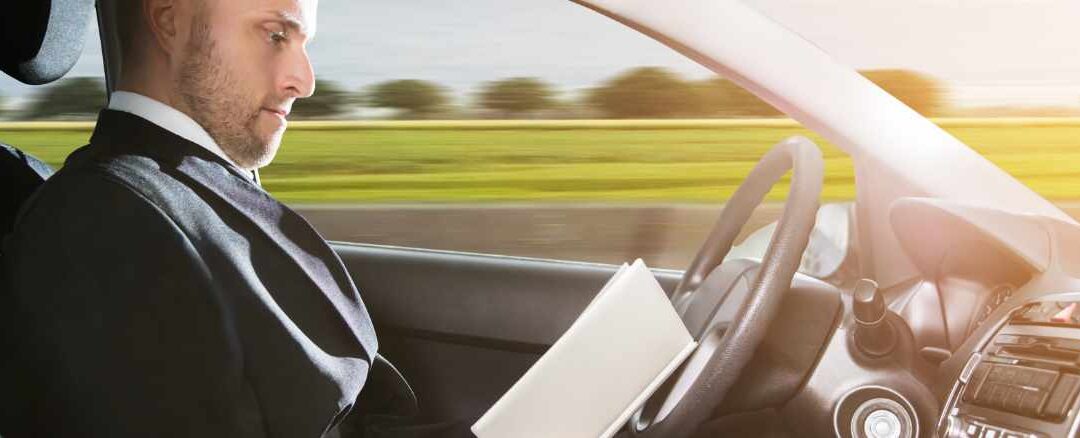
Self Driving Cars
Can you believe that the Government have said self-driving vehicles could be allowed on UK roads by the end of THIS year? I can’t quite imagine it, to be honest, I think it would be a bit unnerving to see someone sat in the back seat with no one in front! Okay, I’m sure that won’t be the case, but let’s have a look at what the Government have said about this announcement…
The Department for Transport has said automated lane-keeping systems (ALKS) would be the first type of hands-free driving to be legalised, as long as they receive GB type approval and there is no evidence to challenge the vehicle’s ability to self-drive. The ALKS technology can control the position and speed of a car in a single lane which will be limited to 37mph (60km/h).
The Highway Code is now being reviewed to consider self-driving vehicles. New laws and rules will eventually need to be created to ensure the technology is being used correctly and safely.
Drivers will not be required to monitor the road or keep their hands on the wheel when the vehicle is driving itself. This doesn’t mean that the driver can have a nap or crack out the laptop and do some work on the commute; the driver is still required to stay alert.
Self-driving vehicles will have an alert system built-in, which will call upon the ‘driver’ to respond and take over if necessary. If they do not respond within ten seconds, the vehicle is programmed to turn the hazard lights on, slow down and eventually come to a standstill.
What are the positives of self-driving cars?
- Greener driving
Self-driving cars will be built to be environmentally friendly. This new green technology is a huge advantage, especially with no new diesel and petrol cars being produced come 2030.
- Human error
The technology could improve road safety by reducing human error. Human error is the largest cause of road accidents. If this can be avoided, then thousands of serious accidents, injuries and fatalities can be avoided.
What should we be cautious about?
- Autopilot
Tesla already has its “Autopilot” model which uses lane technology similar to ALKS.
It’s the closest to the self-driving vehicle, yet full attention is still required. Sadly, there have been reports where this technology has been abused by over-confident and negligent drivers and resulted in accidents due to not enough attention being paid to the road.
Users may expect the self-driving vehicle to do the job of a driver, which won’t be 100% the case.
Although they are being called self-driving vehicles, maybe they should be coined instead as ‘assisted driving’ vehicles, as they do still require the driver to take back control when needed?
- Technology
Although GB approved self-driving vehicles will have additional restrictions and built-in alerts, there is a concern that the technology could fail and result in crashes.
It could be argued that manual cars also carry the same risk, however.
There is still a vast amount of regulatory requirements, safety checks, tests, rules and laws to be undertaken before self-driving vehicles become common on our roads.
We know the Government are keen to be the leader in self-driving technology. But what do you think – can you trust a robot to take you to the supermarket or pick the children up from school?
I suppose you could argue that this may have been the similar thoughts of many when cars were first invented. Now they have been around for over 100 years, maybe it is time to evolve to the next level?