
Winter Car Issues
As the cold months are upon us, it’s important to be aware that your car will feel the cold too. It can cause some minor problems with the general running of your car – did you know that in very cold temperatures, metal can even shrink?
So, to avoid these additional problems (no one wants to be out in the cold trying to get a car up and running if it can be avoided), here are the main problems and how to prevent them.
Car battery
The number one cold car problem is a dead battery as it becomes overworked. Not only is it busy running the engine but it’ll be keeping heating on, the headlights will be used more than in the summer months, the de-misters for the front and back windows will probably be on much more also. You may want to think about getting a new battery if your current one is over four years old; it could save you from a range of car trouble throughout winter.
Frozen Fuel Lines
Now, if you lived in even colder parts of the world, you’d be advised to keep your car plugged into a heating system overnight to avoid your fuel freezing! Luckily, the UK doesn’t suffer too badly with sub-zero temperatures. However, condensation can still freeze in cold weather which does affect your fuel lines, especially if you’re tank is almost empty. It can stop the fuel reaching the engine. Keep your engine running a short while to warm up the engine and the fuel lines before heading off on a journey.
Other frozen car fluids
Antifreeze, oil and transmission fluid can become thicker in very cold weather, which makes it harder for them to move through the pipes. As before, we recommend leaving your car engine running for at least 10 minutes to warm up the fluids. And if you haven’t done so for a while, change these fluids before the temperatures drop.
Frozen locks
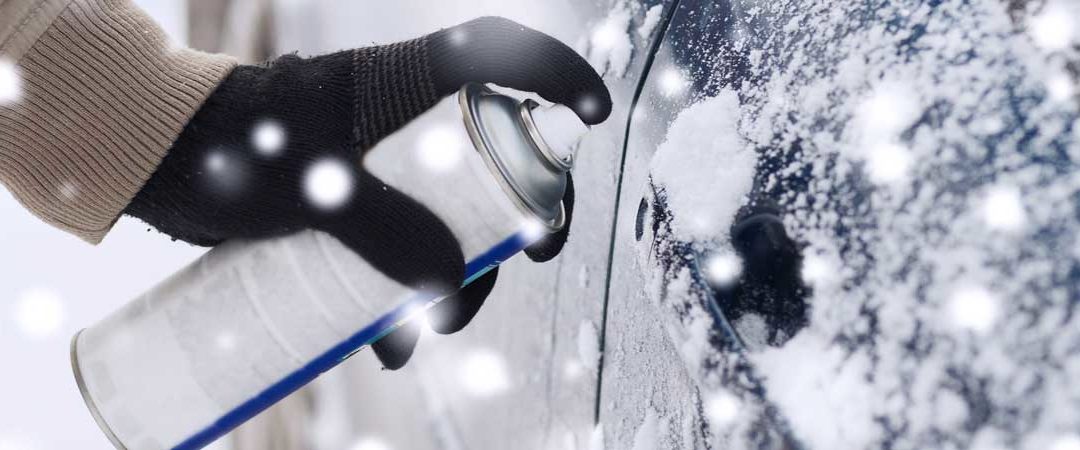
Keeping with the frozen theme a little longer, a blitz of WD-40 will help frozen car locks. And also, a small amount of petroleum jelly on the door seals can stop them sticking.
Windscreen wipers
It’s very easy for wipers to become damaged in cold weather, as they are incredibly exposed to the elements. As they battle against bad weather; snow, hail and ice, the rubber of the blades are more prone to tear. To help prevent this, make sure you always use an additive in your screenwash to stop the jets freezing up. If they are frozen, you can end up running the pump with no fluid coming out. Keep doing this and it could damage the transmission. Also, when you switch your engine off at the end of a journey, make sure that your wipers are switched off. If they come on after a very icy night, they could get stuck and become damaged straight away.
Check your tyres
Tyre pressures can change in cold weather and can lower the lifespan of them. Check your tyre pressure regularly to avoid these problems. And of course, ALWAYS check the tread is within the legal and safe boundaries.
Windows
Wait until your car has warmed up before opening any windows. They may be frozen in and could become dislodged from the mechanics that open and close them.
Keep your car clean and tidy
Rock salt can be very corrosive on the bodywork of a car, so ensure you keep your car clean over winter. Be aware of any water that may get into the car and freeze, however, as this could create unnecessary problems.
Keen swimmer? Don’t leave your wet towels and costumes in the car – or anything damp at all in fact, as any water in the air will freeze on the inside of the vehicle, including your electrics such as your ignition lock.
Strange noises
If your vehicle starts smoking and screaming at you when you start it, switch off immediately. This could be melted ice/water that’s drained off from your windscreen into your alternator and frozen the rotor.
If you need some help maintaining your car this winter, make an appointment to see our team of expert mechanics who will be ready to offer you advice and solutions for your winter car issues.